


For a long time, managing Crohn's disease and ulcerative colitis meant looking at the gut from the outside in. Colonoscopy showed whether the tissue was inflamed. Bloodwork measured whether systemic inflammation was elevated. Symptoms told the story between appointments.
What nobody was looking at was the living ecosystem inside the gut itself: the trillions of bacteria, fungi, and other microorganisms that make up the gut microbiome and play a direct role in how active IBD is at any given moment.
Gut microbiome testing in IBD has changed that. In both pediatric functional medicine and adult care, comprehensive microbiome analysis is now one of the most informative tools available for understanding why a particular patient is flaring, why symptoms persist even during apparent remission, and which interventions are most likely to move the needle.
The gut microbiome is not a passive bystander in inflammatory bowel disease. It is an active participant. The microbial ecosystem of the gut communicates constantly with the intestinal immune system, training it to tolerate harmless substances and respond to genuine threats.
When that ecosystem is disrupted, the immune system loses some of that regulatory input and becomes more likely to fire inappropriately, which is part of what drives the chronic inflammation in IBD.
Research consistently shows that people with Crohn's disease and ulcerative colitis have a measurably different gut microbiome than healthy individuals. The differences include:
These are not random variations. They are patterns that correlate with disease activity, flare frequency, and treatment response.
Understanding the specific microbiome pattern in a given patient is what makes gut microbiome testing clinically useful. It converts a general understanding of dysbiosis into a specific, actionable picture.
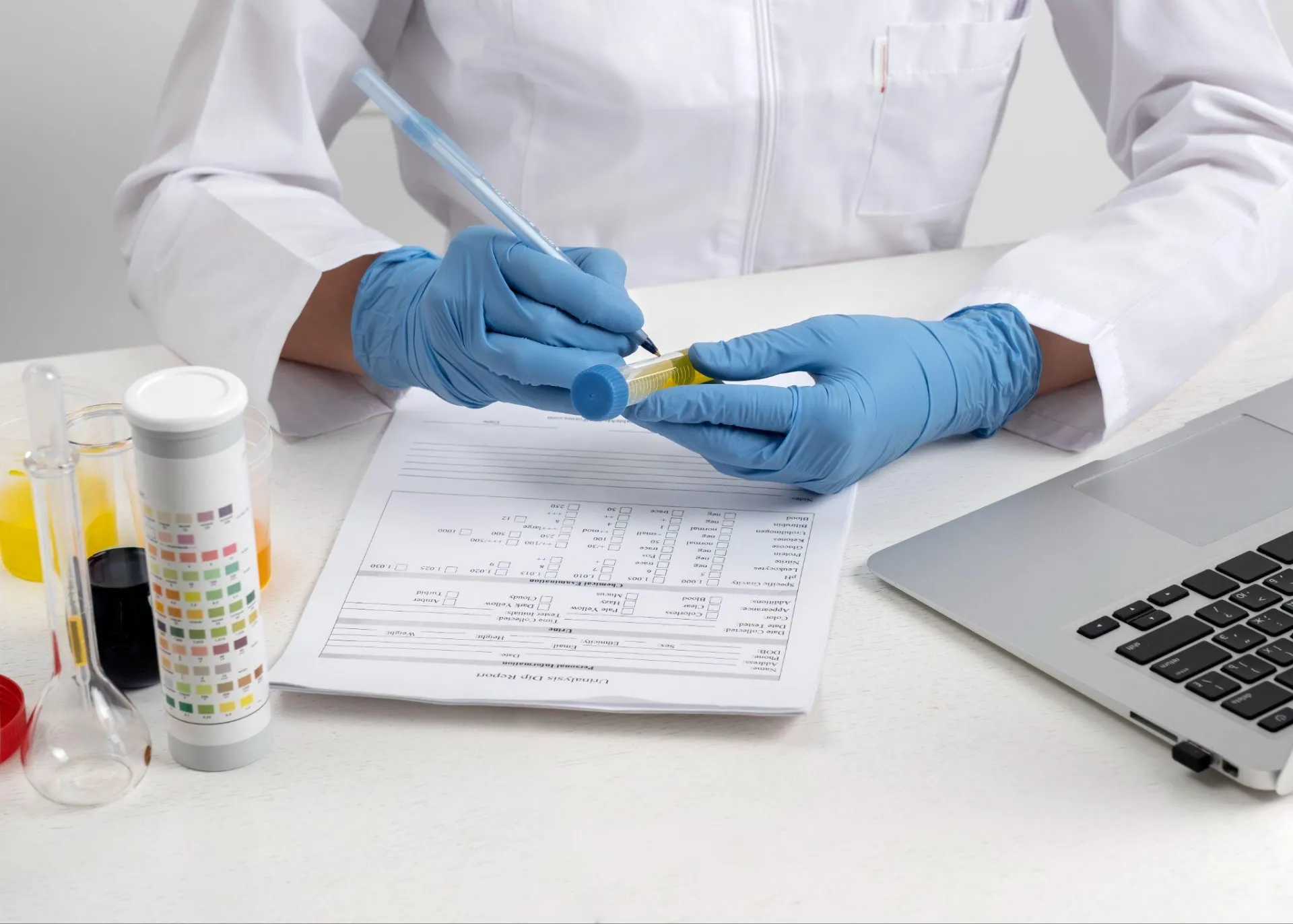
Comprehensive gut microbiome testing goes well beyond what a standard stool culture shows. PCR-based platforms like the GI-MAP analyze gut DNA directly from a stool sample, identifying and quantifying organisms across multiple categories.
The test quantifies populations of beneficial bacteria that are known to be protective in IBD. Key examples include:
Seeing exactly how depleted these populations are tells a provider how much restoration work needs to happen and which probiotic strains are most relevant for that patient.
Microbiome testing also identifies organisms that are actively driving inflammation. Key examples include:
These are also associated with IBD activity and show up on comprehensive testing. Finding elevated levels of these organisms is clinically meaningful. It identifies specific microbial targets that a treatment protocol can address, whether through dietary change, targeted antimicrobials, or specific probiotic strains with demonstrated activity against those pathogens.
Beyond the microbial landscape itself, comprehensive microbiome testing includes markers that tell the functional story of the gut:
Having all of these data points in a single test report gives a provider a genuinely comprehensive view of what is happening in the gut, not just whether inflammation is present but how severe it is, what is driving it, and what the gut's functional capacity looks like right now.
The real value of gut microbiome testing is not the data itself. It is what the data makes possible. A detailed microbiome report changes treatment decisions in several concrete ways.
Most IBD patients who try probiotics take whatever is popular or whatever their doctor mentioned in passing. Microbiome testing makes probiotic selection specific. Examples:
Microbiome results directly inform dietary recommendations. A gut with severely depleted microbial diversity and very low beneficial species needs a different dietary approach than one with moderate dysbiosis and a more intact bacterial community.
When specific pro-inflammatory bacteria are elevated, dietary adjustments that starve those organisms while feeding beneficial ones become a targeted intervention rather than a general suggestion. For example, elevated Ruminococcus gnavus has been associated with mucus layer degradation and IBD flares. Knowing that organism is overgrown shapes the dietary and supplementation approach in a way that a generic IBD diet recommendation simply cannot.
One of the most useful applications of microbiome testing is repeat testing after an intervention period. Running the same panel six months into a gut healing protocol shows whether the microbial changes being targeted are actually happening.
This kind of data-driven iteration is what separates a functional medicine approach from guesswork. The gut microbiome is not static, and the testing should not be either. Periodic reassessment allows the treatment plan to evolve as the gut does.
There is an important and often overlooked relationship between IBD medications and the gut microbiome. Corticosteroids, antibiotics, and some biologics all alter the microbiome in ways that can compound dysbiosis over time. This does not mean these medications should be avoided. It means that supporting microbiome health during and after treatment courses is clinically relevant, not optional.
Antibiotic courses in particular cause significant microbiome disruption that can persist for months. Knowing what the microbiome looked like before and after an antibiotic course allows for targeted restoration rather than hoping the gut recovers on its own. In patients who cycle through multiple antibiotic courses for IBD-related infections or surgeries, this kind of monitoring becomes genuinely important for preventing cumulative microbiome damage.
Microbiome testing also informs decisions about when additional supportive therapies are warranted. A severely depleted microbiome with high inflammatory markers and signs of significant intestinal permeability may indicate that gut lining repair nutrients, IV nutrient therapy for absorption support, or adjunctive treatments that reduce the systemic inflammatory load need to be part of the plan alongside microbial restoration.
Gut microbiome testing is a powerful tool, but it works best as part of a complete functional medicine workup rather than in isolation. The microbiome picture makes more sense when read alongside food sensitivity results, intestinal permeability markers, nutrient status, and the patient's clinical history. A low F. prausnitzii finding means something different in a patient with severe Crohn's colitis than in someone with mild UC who is otherwise well. Context matters.
It is also worth noting that microbiome science is still evolving rapidly. What the field knows about specific bacterial species and their roles in IBD has grown enormously in the last decade, and it will continue to grow. Working with a provider who stays current on the research and can interpret results with appropriate nuance is as important as running the test itself.
For additional information, check What Heals Intestinal Permeability The Gut Microbiomes Role In Restoring Gut Barrier Function.
If you have Crohn's disease or ulcerative colitis and want to understand what your gut microbiome is actually doing, 417 Integrative Medicine in Springfield, Missouri offers comprehensive gut microbiome testing as part of a full functional medicine IBD workup. We use PCR-based stool analysis to measure your microbial populations, inflammation markers, and gut function indicators, then use those results to build a targeted treatment plan specific to your gut.
Whether you are newly diagnosed, managing a long-standing condition, or trying to figure out why remission never quite feels like remission, microbiome testing gives us a concrete starting point. Reach out to 417 Integrative Medicine to schedule a consultation and find out what your microbiome can tell us.


