


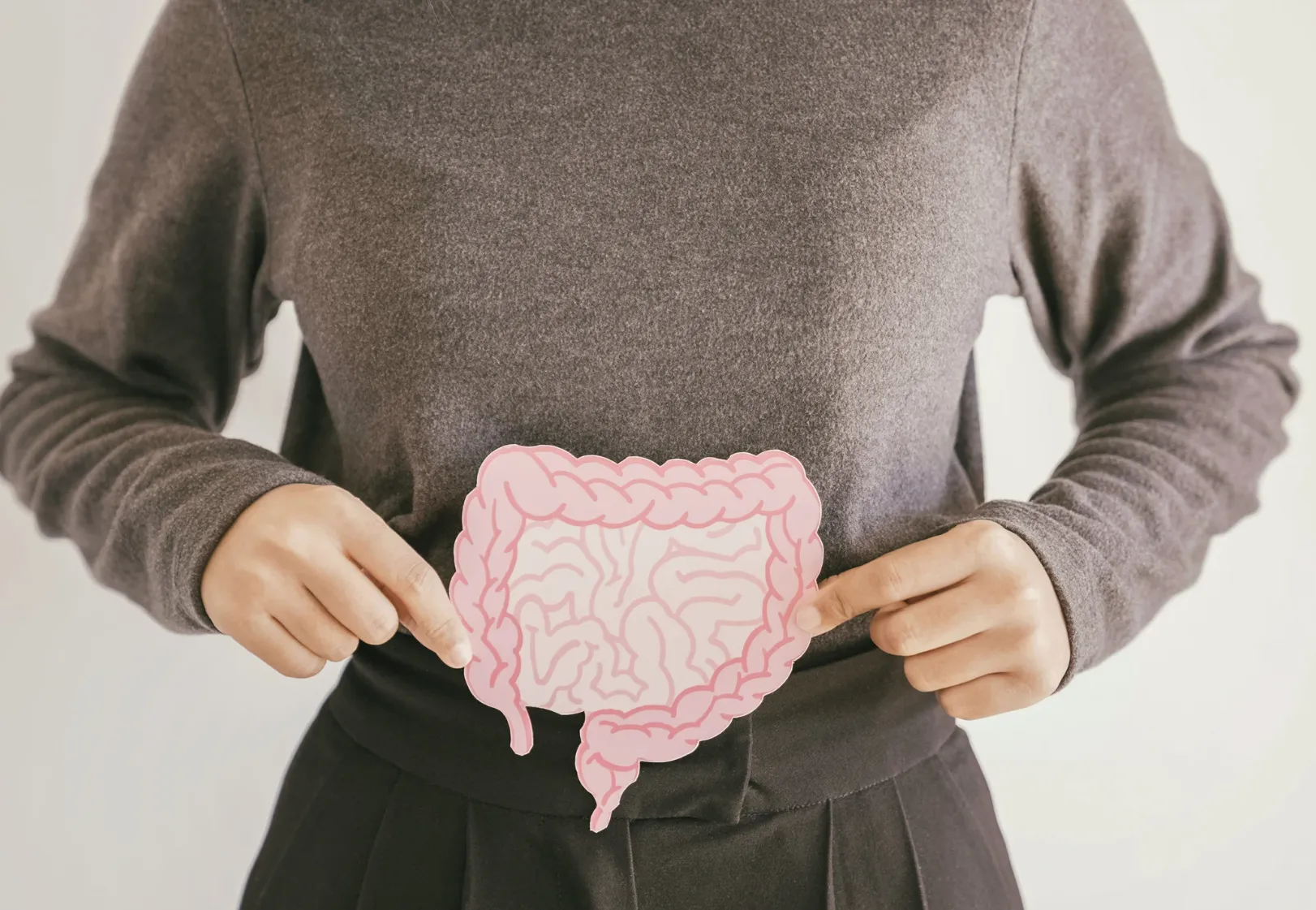
When someone gets diagnosed with Crohn's disease or ulcerative colitis, the conversation usually starts and ends with medication. That's a reasonable starting point. But for a lot of people, it's not enough on its own. The gut needs active support to heal. And the most effective gut healing strategies for IBD tend to go well beyond a prescription pad.
Over the past several years, there's been growing interest in therapies that support gut healing from multiple angles at once things like working with a functional medicine dietitian who can build a personalized nutrition plan based on actual lab data, using targeted supplementation to repair the intestinal lining, and even newer approaches like Ultraviolet Blood Irradiation (UVBI), which is showing up more frequently in integrative IBD protocols for its immune-modulating effects. None of these replaces good gastroenterology care. But together, they can change what recovery actually looks like.
In inflammatory bowel disease, the gut is under attack from the immune system. The result is inflammation, damaged tissue, and a compromised intestinal barrier. Conventional treatment focuses on suppressing that immune response, which is necessary, but it doesn't always repair the damage that's already been done.
Gut healing strategies for IBD address a different set of questions: How do we rebuild the intestinal lining? How do we restore a healthy microbiome? How do we reduce the environmental and dietary triggers that keep the immune system activated? These aren't questions conventional medicine spends a lot of time on. But they matter enormously for how someone actually feels day to day.
People in remission on paper, normal colonoscopy, normal bloodwork, sometimes still feel awful. Fatigue, brain fog, bloating, joint pain. That's because structural remission and functional healing aren't the same thing. Gut healing strategies aim to close that gap.
Food is probably the most powerful tool in an IBD gut healing protocol and the most underused. The problem is that nutrition advice for IBD is all over the map. "Eat low-residue." "Try the SCD diet." "Go gluten-free." "Avoid FODMAPs." For someone already exhausted from managing a chronic illness, sorting through that noise is genuinely hard.
This is where working with a functional medicine dietitian makes a real difference. Unlike a standard dietitian visit that gives you a generic handout, functional medicine dietitian services start with testing. Food sensitivity panels, stool analysis, and micronutrient testing all inform the dietary plan. The result is a protocol built around what's actually happening in that specific person's gut, not a one-size-fits-all template.
For IBD patients, this typically involves identifying and removing specific immune-triggering foods, rebuilding microbiome diversity through targeted prebiotic and fermented foods, and making sure caloric and protein intake is actually adequate because IBD often causes significant nutrient losses that people don't realize are happening.
A few dietary approaches have accumulated meaningful research for IBD specifically. The Specific Carbohydrate Diet (SCD) removes complex carbohydrates that feed dysbiotic bacteria and has shown real benefit in both pediatric and adult Crohn's disease. The IBD Anti-Inflammatory Diet (IBD-AID) builds on SCD principles while placing more emphasis on prebiotic fiber and microbial restoration.
Exclusive enteral nutrition (EEN) a liquid diet that gives the gut a complete break from solid food, is actually a first-line therapy for pediatric Crohn's in many countries and has strong evidence for inducing remission. In adults, partial enteral nutrition used alongside regular food has also shown benefit for gut healing and mucosal repair.
The intestinal barrier in IBD is compromised. Tight junctions between gut cells break down, allowing bacteria, food proteins, and inflammatory molecules to cross into the bloodstream, a process often called intestinal permeability or leaky gut. Repairing that barrier is one of the most direct gut healing strategies available.
L-glutamine is the primary energy source for the cells that line the intestine. During active IBD, glutamine demand increases dramatically, and the body often can't keep up. Supplementing with therapeutic doses of L-glutamine has been shown to improve intestinal permeability markers and support mucosal healing, making it a foundational part of most gut healing protocols for IBD.
Zinc carnosine is a chelated form of zinc with specific research in gut lining repair. It reduces oxidative stress in gut tissue and has been shown to support the healing of the gastric and intestinal mucosa. Butyrate, a short-chain fatty acid produced when beneficial gut bacteria ferment dietary fiber, is the primary fuel source for colonocytes (the cells of the colon lining) and has well-documented anti-inflammatory effects. When gut dysbiosis is present, as it almost always is in IBD, butyrate production drops significantly, and supplementation can help fill that gap.
Bovine colostrum contains immunoglobulins, growth factors, and lactoferrin that directly support mucosal healing. Deglycyrrhizinated licorice (DGL) increases mucus production in the gut lining and has mild anti-inflammatory properties. Slippery elm is a demulcent herb that coats and soothes the intestinal lining; it's been used for gut conditions for centuries and is well-tolerated by most IBD patients. These aren't flashy interventions, but they're consistently useful in gut healing protocols.
No gut healing strategy for IBD is complete without addressing the microbiome. The microbial ecosystem of the gut is deeply disrupted in both Crohn's and ulcerative colitis, with lower diversity, reduced anti-inflammatory species, and often an overgrowth of bacteria that promote inflammation.
Taking a random probiotic off the shelf is better than nothing, but not by much. The most effective probiotic protocols for IBD are built from stool testing, identifying what's depleted or overgrown, and selecting specific strains to address those findings. Lactobacillus rhamnosus GG, Saccharomyces boulardii, and the multi-strain formula Visbiome (formerly VSL#3) all have clinical evidence for IBD specifically. Using them strategically, at therapeutic doses, in the right combination, produces far better results than guesswork.
Fecal microbiota transplant, transferring gut bacteria from a healthy donor, has strong evidence for recurrent C. difficile infection and is being studied seriously for IBD. Results in ulcerative colitis have been particularly promising, with some trials showing remission rates that rival conventional therapy. For Crohn's disease, the evidence is more mixed, but research is ongoing.
FMT for IBD is still largely investigational outside of C. diff treatment, but it's worth knowing about, especially for patients with severe, treatment-resistant disease who are looking at all available options.
The gut and the brain are in constant communication through the vagus nerve and the enteric nervous system. Chronic stress doesn't just make IBD symptoms feel worse; it actually changes gut permeability, shifts the microbiome toward more inflammatory species, and activates the HPA axis in ways that promote gut inflammation. This isn't a psychological explanation for IBD. It's biology.
Gut healing strategies that address the nervous system include gut-directed hypnotherapy (which has actual RCT evidence for IBD), vagus nerve stimulation techniques like slow diaphragmatic breathing and cold exposure, and mind-body practices like mindfulness-based stress reduction. These aren't soft suggestions; they're part of a mechanistically grounded approach to reducing IBD flare frequency.
You may also explore Stool Testing Doctors Data Gi360, where we explain how this test helps identify digestive imbalances.
If you have Crohn's disease or ulcerative colitis and you're looking for a structured, personalized gut healing plan, 417 Integrative Medicine in Springfield, Missouri, offers exactly that. Our functional medicine dietitian services, integrative therapies including UVBI, and comprehensive testing protocols give patients a clear roadmap, not just a list of supplements to try.
We work with people at every stage, newly diagnosed, long-time IBD patients who haven't felt well in years, and people trying to reduce their dependence on immunosuppressive medications. Every plan is built around what your body actually needs, not a generic protocol.
Reach out to 417 Integrative Medicine and let's talk about what gut healing can actually look like for you.


